
Breathe Easier at Home, Starting with Your Walls

Today we explore improving indoor air quality with low-VOC paints and natural materials, turning research and practical wisdom into friendly steps you can use this week. Expect clear guidance, honest cautions, and small design choices that lower odors, headaches, and worry, while making rooms feel calmer, brighter, and genuinely welcoming for families, pets, and guests. Together we will balance aesthetics, durability, budget, and health, so every decision contributes to fresher air without sacrificing the character and comfort you love.

Why Cleaner Air Begins with What You Put on Surfaces

Indoor air picks up more chemicals from walls, trim, floors, and textiles than most people expect, especially during and after renovation. By prioritizing coatings and materials that minimize volatile organic compounds and reactive additives, you cut lingering odors and irritation. Understanding binders, solvents, and resins helps you set realistic curing expectations and make better purchasing decisions. These choices create a healthier baseline that ventilation and cleaning can maintain, so your home smells like nothing and feels consistently fresh.

Choosing Paints and Finishes that Put Health First

A great wall finish should be durable, washable, and quiet in the air. Prioritize low-VOC or zero-VOC paints verified by emissions testing and choose primers designed to work with them. Check whether deep bases or in-store colorants change the VOC profile, and ask for low-VOC tints. Consider mineral or lime-based coatings for breathability on suitable substrates. Thoughtful selection here reduces odors during application, speeds re-occupancy, and supports long-term habits like less fragrance, fewer headaches, and steadier comfort.
VOC content below 50 g/L is often marketed as low, while many zero-VOC lines measure under 5 g/L before colorants. Compare apples to apples by checking the same sheen, color base, and primer specifications. Review safety data sheets for glycols, ammonia, and other additives. Certifications focused on emissions help confirm the paint behaves well once on your wall. When numbers, labels, and documentation align, you gain confidence that what reads clean also breathes clean in real rooms.
Rich colors may require deep bases and more tint, sometimes raising emissions and extending odor time. Ask for low-VOC colorant systems and confirm primer compatibility to avoid extra coats. Satin and eggshell sheens can balance cleanability with lower binder load than very glossy finishes. Stain-blocking primers help seal previous odors, smoke, or solvent-heavy coatings, preventing bleed-through. Fewer coats, smarter primers, and compatible tints reduce total wet time, speed curing, and keep air clearer during projects.
Temperature, humidity, and ventilation affect how quickly coatings cure and what escapes into your air. Aim for manufacturer-recommended ranges, cross-ventilate without blasting dust, and consider box fans exhausting outdoors to create gentle negative pressure. Keep doors to occupied rooms closed during work. Allow adequate dry and cure times before heavy use or re-entry, especially for nurseries. Plan painting when you can spend nights in another room, and avoid fragranced candles or cleaners that mask important odor clues.

Natural Materials that Support Calm, Clean Air

Floors with Fewer Fumes

Consider solid hardwood finished with waterborne, low-odor topcoats, prefinished cork with low-emission adhesives, or true linoleum made from linseed oil, jute, wood flour, and pigments. Verify adhesives and underlayments meet low-emission standards, and skip aggressive solvent-based products. Area rugs in wool, jute, or cotton can cushion acoustics without introducing synthetic odors. If you need engineered wood, look for no-added-urea-formaldehyde cores and request emissions certificates. A quieter floor underfoot often translates to a calmer, cleaner-feeling room.

Walls that Breathe

Consider solid hardwood finished with waterborne, low-odor topcoats, prefinished cork with low-emission adhesives, or true linoleum made from linseed oil, jute, wood flour, and pigments. Verify adhesives and underlayments meet low-emission standards, and skip aggressive solvent-based products. Area rugs in wool, jute, or cotton can cushion acoustics without introducing synthetic odors. If you need engineered wood, look for no-added-urea-formaldehyde cores and request emissions certificates. A quieter floor underfoot often translates to a calmer, cleaner-feeling room.

Textiles that Comfort, Not Clutter the Air

Consider solid hardwood finished with waterborne, low-odor topcoats, prefinished cork with low-emission adhesives, or true linoleum made from linseed oil, jute, wood flour, and pigments. Verify adhesives and underlayments meet low-emission standards, and skip aggressive solvent-based products. Area rugs in wool, jute, or cotton can cushion acoustics without introducing synthetic odors. If you need engineered wood, look for no-added-urea-formaldehyde cores and request emissions certificates. A quieter floor underfoot often translates to a calmer, cleaner-feeling room.

Ventilation, Cleaning, and Monitoring: The Trio that Completes the Picture

Even the best coating or material benefits from smart airflow, gentle maintenance, and data you can trust. Simple sensors and test kits help you track trends, not perfection. Fragrance-free cleaners and microfiber remove dust that carries chemicals indoors. Routine filter changes keep HVAC systems efficient and quiet. Seasonal habits—like window airing when outdoor air is favorable—compound benefits. Small, steady routines protect your investment in low-VOC paints and natural materials, ensuring your rooms continue smelling neutral and feeling restorative.

Know Your Numbers at Home

Start with easy wins: a CO2 monitor for ventilation cues, a humidity meter to prevent mold, and, if budget allows, a reliable VOC indicator for trends. While inexpensive sensors have limitations, watching relative changes during painting, cleaning, and airing is revealing. Formaldehyde badges or professional testing can validate improvements after projects. Keep a simple log, compare before-and-after readings, and celebrate progress. Seeing data stabilize builds confidence that your efforts are translating into cleaner, calmer air day after day.

Clean Without New Chemicals

Choose fragrance-free, dye-free cleaners with simple ingredient lists. Microfiber cloths and HEPA vacuums capture fine dust that can carry semi-volatile compounds from finishes and furnishings. Skip aerosol air fresheners, plug-ins, and scented candles that mask odors rather than fix sources. Open windows after cleaning to help residues dissipate. Entry mats, shoe-off habits, and regular dusting reduce tracked-in pollutants. The result is a fresher baseline that respects your low-VOC paint investment and keeps rooms comfortably neutral between deeper projects.
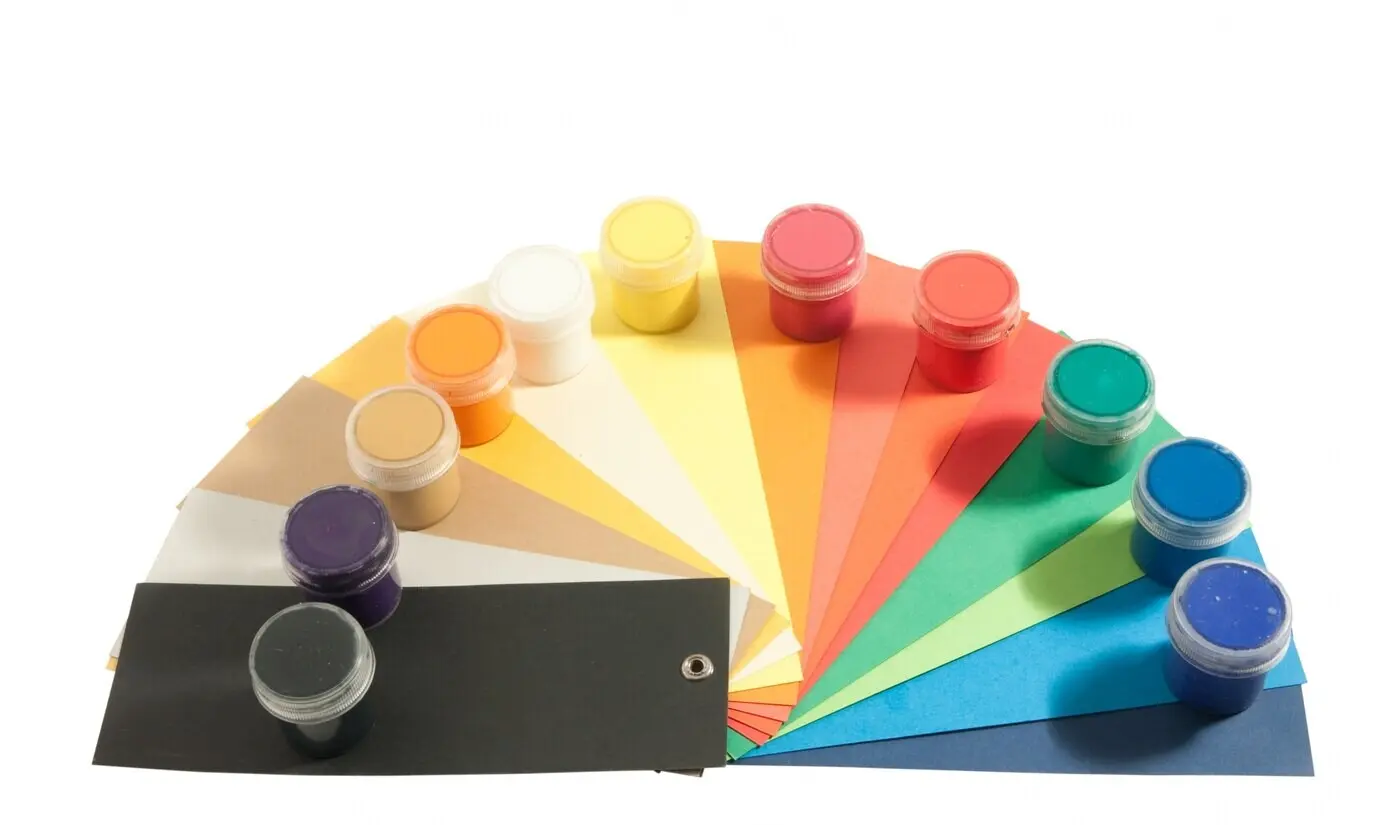
A Nursery Makeover that Quieted Odors and Worries


When new parents wrote about a sour, lingering paint smell, we mapped a simple plan: low-VOC primer and topcoat, mineral tint system, and sealing a closet shelf made from older particleboard. We scheduled work before a weekend away, used gentle negative pressure, and measured VOC trends with an affordable sensor. Returning Sunday evening, the room smelled like almost nothing. By Tuesday, readings settled near baseline, and nap time moved back in without scented sprays, fans roaring, or tears.

Prep and Shopping Checklist

Confirm your low- or zero-VOC paint line, compatible primer, and low-VOC tint system. Add caulk, patch, sandpaper, microfiber cloths, and painter’s tape. Choose a ventilating box fan, furnace filters, and drop cloths that do not shed fibers. Remove or cover textiles that catch odors. Vacuum and damp-wipe dust before opening cans. Stage tools neatly. Label doors to keep curious kids and pets out. Preparation speeds application, reduces mistakes, and keeps your indoor air stable while you work.

Paint Day, Step by Step

Cut in edges, roll from dry to wet, and keep a consistent pace to avoid extra passes. Maintain cross-ventilation, but avoid strong gusts that pull debris onto wet surfaces. Close adjacent doors to protect occupied rooms. Cap cans between coats and clean drips early. Follow the technical sheet for recoat times rather than guessing. If coverage struggles, reassess primer choice before adding endless layers. Calm, methodical application shortens the total wet window and keeps odors subdued throughout the day.

Re-Entry Timing and Airing Strategy

Curing continues after paint feels dry. Keep gentle exhaust running, open a second window for balanced airflow, and avoid soft furnishings re-entering too soon. Wait overnight before heavy use, longer for bedrooms serving infants or sensitive people. Monitor humidity to help solvents dissipate, and pause fragrance products that might disguise important scent signals. If possible, spend the first night in another room. By respecting curing curves, you return to a space that smells neutral and feels comfortably quiet.

Join the Conversation and Keep Improving Together

Healthy air is a shared project that gets easier with community. Your story might solve someone else’s challenge, and their tip could save you hours. Share wins, surprises, and lessons learned from low-VOC paints and natural materials. Ask questions about primers, tints, or mineral finishes and get honest, science-aware replies. Subscribe for deeper guides, room-by-room checklists, and occasional tool giveaways. Small changes stack up, and the collective knowledge here keeps homes fresher, calmer, and far more welcoming.

Share Your Results and Photos

Post before-and-after shots, brand combinations that worked, and things you would do differently next time. Mention room size, color depth, ventilation setup, and re-entry timing so others can learn from your context. Honest notes about odor windows and curing milestones are especially helpful for families planning around naps, pets, and night shifts. The more detail we gather, the easier it becomes for newcomers to choose wisely, breathe easier, and avoid frustrating, expensive detours on their way to cleaner air.

Crowdsource Answers with Pros and Peers
From deciphering technical data sheets to picking between limewash and high-performance waterborne alternatives, collective experience speeds clarity. Contractors, industrial hygienists, and architects occasionally weigh in with field-tested advice. Bring your questions about primers, stains, colorants, and adhesives. Share regional tips on compliance and availability. Together we can pressure-test marketing claims, celebrate reliable products, and refine step-by-step methods that work in real homes. Better answers arrive faster when many eyes, hands, and noses compare notes respectfully and precisely.
Mizuvaninevafuni
Privacy Overview

This website uses cookies so that we can provide you with the best user experience possible. Cookie information is stored in your browser and performs functions such as recognising you when you return to our website and helping our team to understand which sections of the website you find most interesting and useful.